I remember sitting at my kitchen table with $340 in my account, staring at a daycare invoice for $210 and a light bill that was already past due. I did not know yet that a tax credit was waiting for me worth more than that month's whole paycheck. Nobody handed me a list. I found out by accident, from another mom in a Facebook group, two years too late. That is the part that still gets under my skin when I talk to other single moms. The free financial resources for single moms that actually exist, real programs with real money and real help attached, are scattered across a dozen confusing websites and mostly nobody tells you they are there. So here are ten of them. If you already know five, that is still five more dollars in your pocket than you had this morning. Why so many single moms never hear about any of this None of this is because you were not paying attention. Every one of these programs requires you to find it first, prove...
How to start saving money when you have never had savings in your life and do not know where to begin
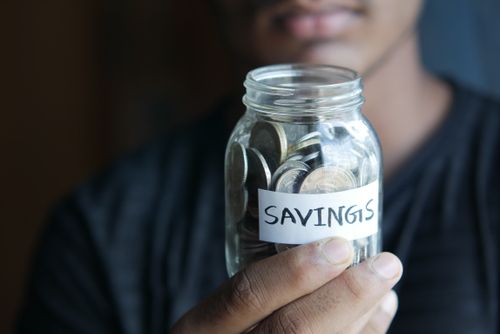
The first time I had $300 sitting in an account that wasn't already spoken for by something, I didn't feel the relief I expected. I felt something closer to unease, a strange, unfamiliar sensation of looking at a number that didn't match who I'd always understood myself to be. I actually considered spending some of it on nothing in particular, just to make the number feel more normal again.
That reaction confused me for a long time until I understood what was actually happening. I'd spent decades believing I was someone who couldn't save, not someone who hadn't yet, and the difference between those two sentences turned out to matter enormously once I finally had evidence that contradicted the story I'd been carrying.
Where "I'm just not a saver" actually comes from
This belief rarely arrives out of nowhere. It usually comes from somewhere specific, growing up in a household where saving wasn't something anyone modeled, because there was nothing extra to model it with, or a string of past attempts that each ended the same way, money set aside and then pulled back out within days or weeks.
The problem isn't that any of this happened. It's what happens next, when a repeated pattern gets quietly converted into a fixed trait. "I tried to save and it didn't work" becomes "I'm not a saver," and that second sentence functions completely differently from the first. The first describes an outcome. The second describes an identity, and identities feel far more permanent and far less changeable than outcomes ever do.
Why the identity version becomes self-fulfilling
Once "I'm not a saver" settles in as a belief about who you are, every future lapse gets read through that lens. A withdrawal from savings during a tight week doesn't register as a normal, human response to a hard month. It registers as confirmation, more evidence for a story that was already being told. That confirmation makes the next attempt feel even less worth trying, since the story keeps getting proven right in a way that feels increasingly hard to argue with.
This is different from someone who simply hasn't developed a savings habit yet, since that person interprets a setback as information about the method, not information about their fundamental nature. The identity version turns every lapse into a referendum on who you are rather than feedback on what you tried.
Why the first real success can feel strange instead of good
This is the part almost nobody talks about, and it surprised me enough that I want to name it directly. When money you've actually managed to keep starts to accumulate for the first time, it can create a kind of internal friction, since it doesn't match the self-concept you've been carrying for years. Some people respond to this friction by unconsciously finding a reason to spend the money, not because they need to, but because spending it restores a sense of familiarity that the growing balance had disrupted.
This isn't a character flaw. It's a well documented pattern where people act in ways that keep their behavior consistent with their self-image, even when the behavior itself works against their stated goals. Recognizing this pattern in the moment it's happening, rather than being blindsided by it, is often what makes the difference between a first successful stretch that holds and one that quietly dissolves back to zero.
Separating what actually happened from what you've decided it means
"I have never saved money before" is a true statement about your history. "I am not a saver" is a conclusion you've drawn from that history, and conclusions can be wrong even when the facts underneath them are completely accurate. The facts don't determine the story. You assigned the story to the facts, which means a different story is available whenever you're ready to consider one.
A more accurate version might be: I've never had a system that fit my actual life, or I've never separated my saved money enough to protect it from spending, or I've never had enough breathing room to make an attempt stick. Each of these describes a specific, fixable circumstance rather than a permanent trait, which changes the entire emotional weight of trying again.
What to actually do with the discomfort when it shows up
If a growing balance starts to feel strange rather than good, name that specifically rather than acting on the urge it produces. Something as simple as noticing, out loud or in writing, that this feels unfamiliar because it's new, not because something is wrong, tends to reduce the pull to spend it back down to a number that feels more like the old story.
My free Minimalist Budget Planner is where I started tracking not just the balance itself but a brief note each time that unfamiliar feeling showed up, which helped me recognize the pattern as it was happening rather than only understanding it afterward once the money was already gone again.
A specific comparison that shows what this looks like
A retail worker who'd attempted to save money at least six separate times over the years, each attempt ending within a few weeks, described the exact same discomfort once a seventh attempt actually held past the point where the others had collapsed. Around $400, she found herself inventing reasons a specific purchase was suddenly urgent, reasons that hadn't felt urgent the week before the balance crossed that number.
She told me what actually helped wasn't a new savings method, since her method hadn't meaningfully changed between attempt six and attempt seven. It was recognizing the discomfort for what it was in the moment it showed up, rather than mistaking it for a sign that something had gone wrong, which let her sit with the strange feeling instead of resolving it the way she always had before.
Tracking progress against a story that's finally changing
My Simple Monthly Budget Planner Pro tracks a growing balance over months, which becomes its own kind of evidence over time, a visible record that contradicts the old story more convincingly than any single conversation with yourself ever could.
Frequently asked questions
Why do I feel uncomfortable or anxious when my savings account balance starts growing?
This is a more common reaction than people expect, particularly for someone who has never sustained savings before. A growing balance can create internal friction when it doesn't match a long held belief about not being someone who saves, and that friction sometimes produces an unconscious urge to spend the money specifically to restore a sense of familiarity. Naming this feeling directly when it shows up, rather than acting on the urge it creates, tends to help it pass without derailing the progress that produced it.
Is it true that some people just aren't good at saving money?
Not in the fixed, permanent way this often gets described. Most people who believe this about themselves have a history of specific circumstances, no modeling growing up, a system that didn't fit their actual income pattern, previous attempts that lacked enough separation between saved and spending money, rather than an unchangeable trait. Separating what actually happened from the conclusion drawn about it is often what makes a new attempt feel possible again.
What should I do if I keep pulling money back out of savings every time I try?
Look at the specific circumstances around each time it happened rather than treating the pattern as proof of a fixed inability. A lack of friction, the saved money sitting somewhere too easy to access, is a common practical cause worth addressing directly. Separately, if a growing balance itself seems to trigger the urge to spend it, recognizing that discomfort as a normal reaction to genuine change, rather than a sign to retreat, is often the piece that finally makes a difference.
The $300 that felt unfamiliar
That strange discomfort I felt looking at money that had actually stayed put is a long time behind me now, mostly because I eventually understood what it actually was, a reaction to something new rather than evidence that something had gone wrong.
If you've never had savings before and you're starting now, expect the early success to feel unfamiliar, possibly even uncomfortable, and know that this feeling is a sign of real change rather than a warning to undo it. The old story about who you are isn't more true just because you've believed it longer.
When you're ready to track your own growing evidence against that old story, my Simple Monthly Budget Planner Pro keeps the record visible over time.
Not there yet? Start with my free Minimalist Budget Planner to begin your own first attempt, however small.
Follow on Instagram and Pinterest for weekly money tips for real incomes.
Has a growing balance ever felt strange to you instead of good? Tell me what you did with that feeling. I'd like to know if it matches what I went through.
Comments
Post a Comment