I remember sitting at my kitchen table with $340 in my account, staring at a daycare invoice for $210 and a light bill that was already past due. I did not know yet that a tax credit was waiting for me worth more than that month's whole paycheck. Nobody handed me a list. I found out by accident, from another mom in a Facebook group, two years too late. That is the part that still gets under my skin when I talk to other single moms. The free financial resources for single moms that actually exist, real programs with real money and real help attached, are scattered across a dozen confusing websites and mostly nobody tells you they are there. So here are ten of them. If you already know five, that is still five more dollars in your pocket than you had this morning. Why so many single moms never hear about any of this None of this is because you were not paying attention. Every one of these programs requires you to find it first, prove...
A friend sent me a screenshot once, one of those posts promising a specific dollar amount a day just for having an app open in the background, and I remember the specific mix of wanting it to be true and knowing, almost immediately, that it wasn't going to be.
Most of what shows up under make money from your phone content falls into that same category, promises detached from anything realistic. What's actually worth doing is less dramatic and considerably more real, a handful of legitimate categories that genuinely work, alongside an honest sense of what kind of money each one realistically produces, rather than the inflated version that gets used to sell an app download.
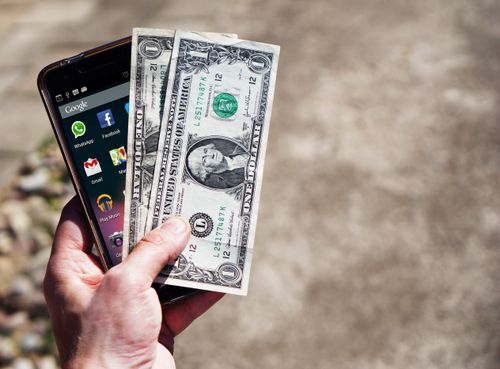
Cash back and receipt scanning apps
This category is real and well documented, though it's worth understanding clearly as supplemental rather than primary income. Apps that pay small cash back amounts for scanning grocery receipts or shopping through their platform for purchases you were already making add up gradually rather than producing dramatic amounts quickly.
The honest expectation here is somewhere in the range of a modest amount monthly for someone using these consistently on regular household shopping, not a meaningful income replacement. Worth doing specifically because it requires almost no extra effort layered onto shopping you're already doing anyway, but not worth expecting much beyond that.
Gig delivery and rideshare apps
Delivery and rideshare apps represent genuine, documented income potential for people with reliable transportation and time to dedicate to it, since you're being paid directly for completed work rather than a small passive reward layered onto something else. Earnings vary considerably based on location, time of day, and how much time is actually put in, which makes it hard to state a single realistic number that applies broadly.
This category requires leaving the house despite being managed entirely through a phone app, which is worth being upfront about, since some phone based income methods genuinely happen from a couch and this one doesn't.
Selling through marketplace apps
Beyond any single platform, the broader category of selling unused items through phone based marketplace apps remains one of the more reliable methods available, since it's paying for something you already own rather than for ongoing effort. This works well specifically because it doesn't depend on approval processes or building a following, just listing something clearly and pricing it based on what similar items have actually sold for recently.
The realistic income here depends entirely on what you have available to sell, which makes it a strong starting point but not an ongoing income source once a household's unused items have largely been sold through.
Renting out a car through a peer to peer sharing app
For someone with a car that sits unused for meaningful stretches, peer to peer car sharing apps allow listing it for others to rent temporarily, similar in concept to how a spare room might get listed for short term stays. This depends heavily on location and demand, working better in areas with higher rental car costs or limited availability, and it requires being genuinely comfortable with someone else driving your vehicle, which isn't the right fit for everyone regardless of the potential income.
Task based freelance apps for phone friendly work
Apps connecting freelancers with short, specific tasks, data entry, transcription, virtual assistant work, proofreading, allow picking up phone based work in smaller chunks than a traditional freelance platform might require. This tends to work best for someone with a specific skill already, since general, unskilled task apps in this category often pay quite little per task relative to the time required.
My free Minimal Monthly Expenses Tracker is where I track what's actually come in from any of these methods over a full month, since seeing the real total against the time actually spent is what separates a method genuinely worth continuing from one that sounds appealing but isn't producing much once tracked honestly.
What to be skeptical of
Any app or platform promising a specific large daily amount for minimal effort, requiring payment upfront to access opportunities, or being vague about what the actual work involves is worth treating with real skepticism regardless of how professional the marketing looks. Legitimate income methods pay you for genuine work, items, or data, they don't require you to pay them first, and they're generally specific and clear about what you're actually doing to earn the money.
A specific comparison that shows what a realistic month can look like
A retail worker combining a receipt scanning app for groceries already being purchased, occasional Facebook Marketplace sales of items no longer needed, and a few evening rideshare hours on weekends when her schedule allowed, brought in an average of around $180 to $240 extra a month across all three combined. No single method produced most of that on its own. The combination across a few realistic, low commitment categories is what added up to something meaningful.
She told me the specific thing that mattered was tracking each category honestly rather than assuming any one of them was doing more than it actually was, since the receipt scanning app in particular contributed far less than the marketplace sales or the rideshare hours despite requiring the least effort of the three.
Tracking phone based income alongside a regular budget
My Simple Monthly Budget Planner Pro tracks occasional or supplemental income like this as its own category, separate from regular paycheck income, so a month with extra effort put into a few of these methods shows up clearly as the specific boost it represents rather than blending into the regular numbers.
Frequently asked questions
Can you actually make meaningful money from phone apps in 2026?
Some categories genuinely produce real, documented income, particularly gig delivery and rideshare work and selling items through marketplace apps, both of which pay directly for work performed or items sold rather than a small passive reward. Categories like cash back apps tend to add up gradually as supplemental income rather than anything close to a primary income source. Being realistic about which category you're pursuing, and what it can actually produce, matters more than chasing an inflated promise from an ad.
How do I know if a make money from your phone app is legitimate?
The clearest warning sign is any request for payment upfront before you can start earning, along with vague descriptions of what the actual work or task involves. Legitimate apps are specific about how you're being paid, whether that's for completed gig work, sold items, or documented cash back on purchases, and they pay you rather than requiring payment from you first. Extremely high promised earnings for very little effort is worth treating with skepticism regardless of how the app is marketed.
Which phone based income method is the most reliable?
Selling unused items through marketplace apps tends to be one of the more consistently reliable starting points, since it's paying for something you already own rather than depending on ongoing work or a following. Gig delivery and rideshare work offers more sustained income potential for someone with the time and reliable transportation to commit to it regularly. Combining a couple of realistic categories rather than relying on just one tends to produce a more meaningful, honest total over a full month.
The screenshot that wasn't real
That promised daily amount from the screenshot my friend sent turned out to be exactly the inflated claim it looked like, and most of what shows up in this specific corner of the internet follows the same basic pattern.
What actually works is less exciting and more honest: selling what you're not using, gig work if your time and transportation allow it, small consistent cash back on shopping you're already doing anyway. None of it happens overnight, and combining a couple of realistic methods tends to produce more than chasing whichever app is currently being advertised as the next big thing.
When you're ready to track phone based income alongside your regular budget, my Simple Monthly Budget Planner Pro keeps it visible as its own category.
Not there yet? Start with my free Minimal Monthly Expenses Tracker to track what's actually coming in from any method you try this month.
Follow on Instagram and Pinterest for weekly money tips for real incomes.
Which of these categories fits your actual situation, your time, your transportation, what you have to sell? Tell me, and I'll tell you honestly what a realistic month might look like.
Comments
Post a Comment