I remember sitting at my kitchen table with $340 in my account, staring at a daycare invoice for $210 and a light bill that was already past due. I did not know yet that a tax credit was waiting for me worth more than that month's whole paycheck. Nobody handed me a list. I found out by accident, from another mom in a Facebook group, two years too late. That is the part that still gets under my skin when I talk to other single moms. The free financial resources for single moms that actually exist, real programs with real money and real help attached, are scattered across a dozen confusing websites and mostly nobody tells you they are there. So here are ten of them. If you already know five, that is still five more dollars in your pocket than you had this morning. Why so many single moms never hear about any of this None of this is because you were not paying attention. Every one of these programs requires you to find it first, prove...
The supply list came home in a folder along with a note about the first day, and I remember doing rough math in my head while still standing in the school parking lot, landing on a number that felt like it belonged to a different month's budget entirely, not the one I actually had room for right now.
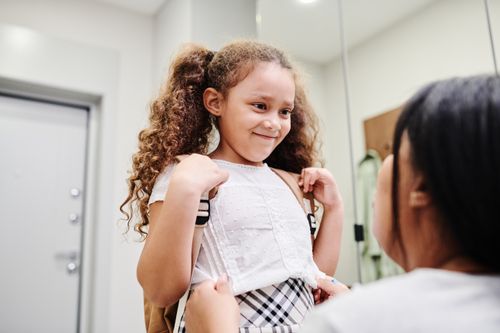
Back to school spending has a specific kind of pressure attached to it that other expenses don't carry quite the same way, the sense that spending less somehow means caring less, that the kid with the off brand backpack or the secondhand shoes is missing out because of a choice you made. That feeling is real and it's also not accurate, and separating the actual cost from the guilt wrapped around it is most of what makes this season manageable on a tight budget.
Why this specific expense feels different from other tight months
Back to school spending lands all at once, in a specific and visible window, often the same week other bills are due, and it's tied directly to a kid noticing what they have compared to what their classmates have. That combination, timing and visibility, makes it feel heavier than an equivalent amount spent on something less socially observed, even when the actual dollar amount isn't dramatically different from other categories.
Recognizing that the pressure is partly about visibility, not just cost, helps separate the two. A genuinely cheaper option that gets the job done isn't a lesser choice. It's a practical one, and kids notice far less about brand names than the anxiety around them tends to assume.
Start with what you already have before buying anything
Before any shopping happens, go through what's already in the house from last year, backpacks, unused notebooks, pencil cases, folders that survived the year in decent shape. Supply lists often specify quantities rather than brands, and a folder that's still functional doesn't need replacing just because it's not new.
This step alone often covers a meaningful portion of a typical list, and it costs nothing beyond the time it takes to actually check rather than assuming everything needs to be bought fresh.
Buying in the specific window that saves the most
Supply prices, particularly on basics like notebooks, pencils, and folders, tend to be lowest during the earliest sales in the season, often several weeks before school actually starts, when retailers use school supplies as a way to draw people into the store for other purchases. Waiting until the week before school often means paying closer to full price on the exact same items.
Buying the bulk of basic supplies early, then holding off on anything requiring a specific size, like clothing or shoes for a still growing kid, until closer to the date, balances the early sale pricing on stable items against the risk of buying clothing too far ahead and having it not fit by the time school starts.
Splitting the list across more than one store deliberately
Different stores tend to have the deepest discounts on different specific categories during the same season, one store's loss leader on notebooks might be full price at another, while that same second store has the better deal on backpacks. Buying everything in one trip at one store is convenient, but it usually means paying full price on whatever that particular store isn't specifically discounting that week.
This doesn't require an elaborate multi store strategy. Even splitting a list into two trips, basics at whichever store has them cheapest, then the remaining specific items at a second store, captures meaningfully more savings than a single stop.
Secondhand and swap options most people don't think to check
Backpacks and clothing in good condition show up regularly at thrift stores, particularly right before the school year when families are clearing out what no longer fits. A backpack that's genuinely still in good shape, purchased secondhand, does the same job as a new one at a fraction of the cost, and a lot of kids won't notice or care as much as the anxiety around this assumes.
Local parent groups, whether through a school specific group or a broader community one, often have informal swaps where families trade or give away outgrown uniforms, coats, and supplies. Checking whether your school or district has one of these, or starting the conversation if it doesn't exist yet, can meaningfully reduce the list before any money changes hands at all.
Checking for assistance programs specifically built for this
Many communities have back to school assistance programs, sometimes run through local nonprofits, churches, or school districts directly, that provide free supplies or backpacks to families who qualify, often based on income guidelines similar to free or reduced lunch eligibility. These programs aren't always widely advertised, and applying doesn't require the situation to be a full crisis, just genuinely tight, which describes a lot more households than tend to actually apply.
211.org can connect you to local back to school assistance programs specific to your area, and many school districts maintain their own list of community resources for exactly this purpose, sometimes available directly from the school office if you ask.
What this actually looked like for me
My free Minimalist Budget Planner is where I set aside a specific back to school sinking fund starting in the spring, a small amount each month so the full list didn't have to come from a single tight paycheck the week it was actually due. Even twenty dollars a month adds up to a meaningful cushion by the time the supply list actually comes home.
A specific comparison that shows what this adds up to
A home health aide with two kids in different grades typically spent close to $220 on back to school shopping in a single trip the week before school started, paying close to full price because everything was bought at once, at whatever store was most convenient that day. The following year, she checked her local school district's assistance list, qualified for a free backpack and basic supply program for one of her kids, bought the remaining basics during an early sale window, and found a barely used winter coat for her older child through a parent swap group.
Her total spending came to $94, less than half of the previous year, without either kid starting the year with anything visibly different from what they'd had before. She told me the specific relief wasn't just the dollar amount. It was realizing how much of what she'd been buying at full price the year before had genuinely cheaper equivalents she simply hadn't known to look for.
Tracking the season without it disrupting the rest of the budget
My Simple Monthly Budget Planner Pro tracks a back to school sinking fund alongside the rest of the monthly budget, so the expense has its own dedicated line building up over months rather than landing as a single disruptive hit the week it's actually due.
Frequently asked questions
How can I save money on back to school shopping without my kids feeling different from their classmates?
Start with what's already at home before buying anything new, since a lot of supply lists specify quantities rather than requiring brand new items. For what does need buying, secondhand backpacks and clothing in good condition from thrift stores or parent swap groups do the same job as new items, and kids generally notice far less about specific brands than the guilt around this assumes. Spreading purchases across the early sale window for basics and closer to the date for anything sized reduces cost without reducing what your kids actually walk in with.
Are there assistance programs specifically for back to school supplies?
Yes, many communities have programs through local nonprofits, churches, or school districts that provide free supplies or backpacks to qualifying families, often using income guidelines similar to free or reduced lunch eligibility. These programs aren't always widely advertised and applying doesn't require an extreme financial situation, just genuine tightness, which applies to more households than typically apply. 211.org or your school district's office can connect you to what's available specifically in your area.
When is the best time to buy back to school supplies to save the most money?
Basic supplies like notebooks, pencils, and folders tend to be cheapest during the earliest sales of the season, often several weeks before school starts, since retailers use these as a way to draw shoppers in for other purchases. Anything requiring a specific size, particularly clothing or shoes for a growing kid, is often better bought closer to the actual start date to avoid an item not fitting by the time it's needed, balancing early savings on stable items against sizing risk on anything that changes.
The parking lot math that felt impossible
That number I did in my head standing in the school parking lot felt impossible at the time, mostly because I was picturing buying everything at once, at full price, in a single trip the week before school started.
It didn't end up requiring that. A sinking fund started months earlier, an assistance program I hadn't known to check, a secondhand backpack that looked exactly like new, and buying basics during the early sale window instead of the week everyone else was shopping too.
When you're ready to build a back to school sinking fund alongside your full budget, my Simple Monthly Budget Planner Pro tracks it as its own line so it doesn't land as a single disruptive expense.
Not there yet? Start with my free Minimalist Budget Planner to set aside a small amount each month starting now.
Follow on Instagram and Pinterest for weekly money tips for real incomes.
What's the one back to school item that always costs more than expected? Tell me, and I'll tell you where I've found it cheaper.
Comments
Post a Comment