I remember sitting at my kitchen table with $340 in my account, staring at a daycare invoice for $210 and a light bill that was already past due. I did not know yet that a tax credit was waiting for me worth more than that month's whole paycheck. Nobody handed me a list. I found out by accident, from another mom in a Facebook group, two years too late. That is the part that still gets under my skin when I talk to other single moms. The free financial resources for single moms that actually exist, real programs with real money and real help attached, are scattered across a dozen confusing websites and mostly nobody tells you they are there. So here are ten of them. If you already know five, that is still five more dollars in your pocket than you had this morning. Why so many single moms never hear about any of this None of this is because you were not paying attention. Every one of these programs requires you to find it first, prove...
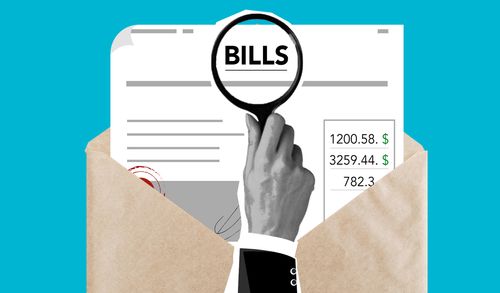
The bill came in $38 higher than the month before, same season, same routine as far as I could tell, and I remember standing in the kitchen rereading it like the number might change if I looked at it long enough.
It didn't change, but going through the house room by room that weekend did. Most of what actually brought the bill down cost nothing to start, just specific habits and a few settings that had been sitting on their default for years without me ever checking them. Here are the twelve things that made the real difference, none of them requiring new equipment or an upfront cost to try.
1. Check whether your utility offers a time of use rate plan
Many utility companies offer a rate structure where electricity costs less during off peak hours, typically overnight or during specific windows outside the afternoon peak. If your provider offers this and you can shift big appliance use, laundry, dishwashing, charging an electric vehicle, to those cheaper hours, the same amount of electricity usage costs measurably less without changing how much you're actually using. A quick call to your provider or a look at their website tells you whether this option exists and what the specific off peak hours are.
2. Lower your water heater temperature
Most water heaters default to 140 degrees Fahrenheit, which is hotter than most households need for comfortable use. Lowering it to 120 degrees reduces the energy needed to keep that tank hot around the clock, and it typically doesn't require a technician, just adjusting the dial on the unit itself. This is one of the few changes on this list that keeps saving every single day without requiring any ongoing effort once it's set.
3. Unplug the specific devices drawing power even when off
Game consoles, cable boxes, phone chargers left in the wall, and entertainment centers often draw a small amount of power continuously, even when switched off, sometimes called phantom or vampire load. Individually these amounts are small. Across several devices running this way constantly, the combined effect over a full month adds up more than most people expect. A power strip that can be switched off entirely for the devices you're not actively using turns this into a one flip habit rather than unplugging each thing individually.
4. Replace your HVAC filter on schedule
A dirty, clogged air filter forces your heating and cooling system to work harder to push air through it, using more electricity to do the same job a clean filter would do more efficiently. Filters are inexpensive and checking or replacing one takes a few minutes. This is one of the most commonly skipped maintenance tasks specifically because it doesn't feel urgent, even though a neglected filter is quietly costing more every month it goes unchanged.
5. Adjust your thermostat a few degrees for the hours nobody's home or awake
A programmable or smart thermostat, or just manually adjusting a standard one, set a few degrees warmer in summer or cooler in winter during work hours and overnight sleep, reduces how hard your system runs without meaningfully affecting comfort during the hours that actually matter. This is free to do immediately if you already have any kind of adjustable thermostat, and the ongoing saving compounds every single day.
6. Seal the specific drafts around doors and windows
A door or window with a noticeable draft forces your heating or cooling system to compensate for outside air constantly leaking in. Checking for drafts costs nothing, just holding a hand near door and window edges on a windy day. Weatherstripping tape or a simple draft blocker at the bottom of a door is inexpensive if a draft is found, and it stops your system from fighting a leak it was never going to win against on its own.
7. Wash clothes in cold water instead of hot
Water heating accounts for a significant portion of what a washing machine actually costs to run per load, since heating the water itself uses far more energy than the motor running the cycle. Cold water gets most laundry genuinely clean, and switching this one setting, which costs nothing and takes no extra time, reduces the electricity cost of every single laundry load going forward.
8. Run the dryer less than a full cycle when possible
Overdrying clothes wastes electricity on time the dryer doesn't need to run, and many dryers have a moisture sensor setting that stops the cycle once clothes are actually dry rather than running a fixed, longer default time regardless of how quickly the load finishes. Checking whether your dryer has this sensor setting and using it, rather than a standard timed cycle, is a free adjustment that reduces unnecessary run time on one of the more electricity intensive appliances in most homes.
9. Swap bulbs specifically in your highest use fixtures first
Replacing every bulb in a house at once isn't necessary to see a real difference. Identifying the two or three fixtures used the most, a kitchen light, a living room lamp, a porch light left on for hours, and swapping just those to LED bulbs captures most of the available saving without the cost of replacing every bulb in the house simultaneously. LED bulbs use meaningfully less electricity than older incandescent versions for the same brightness, and the highest use fixtures are where that difference actually shows up on the bill.
10. Check whether you qualify for a low income utility discount program
The Low Income Home Energy Assistance Program, commonly known as LIHEAP, provides bill payment assistance to eligible households across the US, and many utility companies separately offer their own reduced rate programs for qualifying customers that aren't always advertised prominently. Checking eligibility, through 211.org or directly with your utility provider, costs nothing and takes a phone call or a short online form, and a lot of people who would qualify have simply never asked.
11. Clean your refrigerator coils
Dust buildup on the coils, usually located at the back or bottom of the refrigerator, makes the compressor work harder to maintain temperature, using more electricity to do the same job. Vacuuming or wiping these coils clean every few months costs nothing and takes about ten minutes, and it's one of the most commonly overlooked maintenance tasks precisely because the coils are out of sight most of the time.
12. Request a free home energy audit from your utility provider
Many utility companies offer a free or low cost home energy audit, sometimes conducted in person and sometimes through an online questionnaire, that identifies specific waste points in your particular home rather than generic advice. This tends to surface things unique to your specific house, an inefficient appliance, an insulation gap, a setting worth adjusting, that a general list like this one can't account for. Calling your provider directly to ask whether this service is available often reveals an option most customers never think to request.
What doing this actually looked like for me
My free Minimal Monthly Expenses Tracker is where I compared my electric bill month over month after making these changes, since seeing the actual trend over several months mattered more than judging any single month in isolation. The water heater adjustment and the thermostat scheduling made the most consistent difference for my specific home, though which of these twelve matters most tends to depend on your particular house, climate, and habits.
My Simple Monthly Budget Planner Pro tracks utility costs as their own category alongside the rest of the monthly budget, so a trend like a bill creeping upward over several months becomes visible before it becomes a genuine surprise.
Frequently asked questions
Which of these changes actually makes the biggest difference on an electric bill?
It varies by home, climate, and current habits, but water heater temperature and thermostat scheduling tend to produce the most consistent, ongoing savings since both affect systems running continuously in the background rather than a single appliance used occasionally. Phantom load from unplugged devices and HVAC filter maintenance tend to matter more in homes with several always on electronics or an aging heating and cooling system. Trying several of these together over one billing cycle and comparing the resulting bill to a typical previous month is the most reliable way to see what's actually moving the number for your specific situation.
Do I need to spend money to see a real reduction in my electric bill?
Most of the changes here cost nothing to start, adjusting a thermostat, washing in cold water, unplugging devices, checking for a better rate plan. A few, like weatherstripping tape or LED bulbs for your highest use fixtures, involve a small upfront cost that typically pays for itself within a few months through the ongoing reduction in electricity use. Starting with the free changes first and adding the low cost ones afterward is a reasonable way to see results before spending anything.
How do I know if I qualify for utility bill assistance programs?
Contacting 211.org or your specific utility provider directly is the fastest way to check eligibility for programs like LIHEAP or any reduced rate plan your utility offers separately. Eligibility typically depends on household income relative to your area's guidelines, and many utility specific discount programs aren't prominently advertised, which means a large number of people who would qualify have simply never asked. The call or online application usually takes under fifteen minutes.
The bill that finally made sense
That $38 jump is a long time behind me now, and going through the house that weekend turned into a habit of checking these same twelve things periodically rather than a one time fix. None of it required new equipment to start. It just required actually looking at settings and habits that had been sitting on default for years without anyone checking them.
Pick three from this list to try this week. See what the next bill looks like. Add more from there based on what actually moves the number in your specific home.
When you're ready to track your utility costs alongside your full budget, my Simple Monthly Budget Planner Pro shows the trend clearly every month.
Not there yet? Start with my free Minimal Monthly Expenses Tracker to compare your bill month over month as you try these changes.
Follow on Instagram and Pinterest for weekly money tips for real incomes.
Which of these twelve have you already tried, and which one are you adding this week? Tell me, and I'll tell you which one tends to matter most for homes like yours.
Comments
Post a Comment