I remember sitting at my kitchen table with $340 in my account, staring at a daycare invoice for $210 and a light bill that was already past due. I did not know yet that a tax credit was waiting for me worth more than that month's whole paycheck. Nobody handed me a list. I found out by accident, from another mom in a Facebook group, two years too late. That is the part that still gets under my skin when I talk to other single moms. The free financial resources for single moms that actually exist, real programs with real money and real help attached, are scattered across a dozen confusing websites and mostly nobody tells you they are there. So here are ten of them. If you already know five, that is still five more dollars in your pocket than you had this morning. Why so many single moms never hear about any of this None of this is because you were not paying attention. Every one of these programs requires you to find it first, prove...
I paid a monthly maintenance fee on my checking account for years without really registering it as a choice, just something that came with having a bank account, the same way a phone bill or an internet bill did. It took actually adding up what that fee had cost over several years for me to realize it had never been unavoidable at all.
The average traditional checking account fee runs somewhere around $14 a month, close to $170 a year, according to recent FDIC data, and none of that has to be true anymore. Genuinely free checking accounts, no monthly fee, no minimum balance requirement, no condition that quietly reactivates a charge the moment you miss it, are widely available now. Knowing exactly what to look for, and what to watch out for, is what actually matters here.
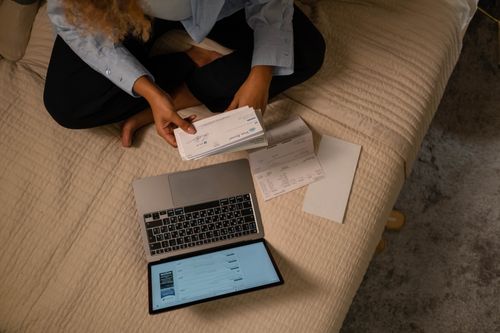
What "free" actually needs to mean
A truly free checking account has no monthly maintenance fee, no minimum balance requirement, and doesn't depend on a condition like a minimum number of direct deposits to keep the fee waived. Some accounts advertise as free but are actually conditionally free, meaning the fee is waived only as long as a specific requirement, often a minimum monthly direct deposit amount, continues to be met. The moment that condition isn't met, even for one month, the fee can reactivate without much warning.
The distinction matters because a conditionally free account isn't the same protection as one that's genuinely free regardless of what happens with your income that specific month, which matters most exactly when income is tightest and least predictable.
What to check before opening any account
Confirm FDIC insurance for a bank or NCUA insurance for a credit union, which protects your deposits up to $250,000 regardless of which specific institution you choose. This is a baseline safety check that takes only a minute to confirm directly on the institution's website.
Check the overdraft policy specifically, since this is where fees most commonly sneak back into an account that's otherwise genuinely free. Some accounts charge no overdraft fee at all, some offer a small cushion before any fee applies, and some still charge a standard fee similar to a traditional account despite advertising as free otherwise. This detail matters enormously if your account balance runs close to zero at any point during a typical month.
Check the ATM network specifically if you rely on cash withdrawals regularly, since an otherwise free account can still cost real money through out of network ATM fees if the institution doesn't have a large fee free network or doesn't reimburse those charges.
ChexSystems and what to do if you've had banking trouble before
Most banks use a specialized reporting system, commonly known as ChexSystems, similar in concept to how a credit bureau works for loans, to screen new checking account applicants. A past account that was closed with a negative balance, an old unpaid overdraft that went to collections, or certain other banking history can show up here and result in a denial for a standard checking account application, even years later.
This isn't the end of the road if it applies to your situation. Several banks specifically offer what's often called a second chance checking account, designed for exactly this circumstance, without a ChexSystems check as part of the application process. If you've been denied for a standard account before, or suspect you might be, searching specifically for second chance checking options rather than assuming you're locked out of banking entirely is worth doing before giving up on the idea.
Online banks versus traditional branches
Online only banks generally offer the most genuinely fee free options, since their lower overhead without physical branch locations allows them to pass that savings on directly rather than needing fee income to offset branch costs. The tradeoff is no in person branch access, though most online banks partner with retail networks allowing cash deposits at participating stores, and mobile check deposit covers most other day to day banking needs without ever visiting a location.
A traditional bank with physical branches can still offer genuinely free checking, but it's worth confirming the specific account type directly, since many traditional banks maintain both a fee based standard account and a separate, genuinely free option that isn't always the first one presented when opening an account.
What this actually saved once I switched
My free Minimal Monthly Expenses Tracker is where I compared what my old account had actually cost me over a full year against what the new account genuinely charges, which is nothing, confirming the switch had been worth the mild hassle of updating a few automatic payments to the new account details.
A specific comparison that shows the difference
A retail worker had been paying an $11 monthly fee at her existing bank for years, occasionally waived when her direct deposit happened to land before a specific cutoff date each month but charged in full any month it didn't. Switching to a genuinely fee free account eliminated that inconsistency entirely, saving her $132 over the following year in fees that had previously depended on timing she couldn't fully control.
She told me the specific thing that had kept her at the old bank for so long wasn't loyalty, it was simply not realizing switching was as straightforward as it turned out to be, closer to twenty minutes of setup than the drawn out hassle she'd been picturing.
Tracking your account switch alongside a full budget
My Simple Monthly Budget Planner Pro tracks fees, or the absence of them, as part of the full monthly picture, so a switch like this shows up clearly as real, ongoing savings rather than a one time change that's easy to forget once it's done.
Frequently asked questions
How do I know if a checking account is actually free or just conditionally free?
Check specifically whether the fee waiver depends on a condition, most commonly a minimum monthly direct deposit amount, rather than being genuinely fee free regardless of your income that month. A truly free account has no monthly maintenance fee and no minimum balance requirement under any circumstance, while a conditionally free account can start charging a fee the moment a specific requirement isn't met, which is worth understanding clearly before assuming an advertised free account is fully protected.
What if I've been denied a checking account before because of my banking history?
This is often related to a ChexSystems report, a specialized screening system similar to a credit bureau that many banks use for new account applicants. A past closed account with a negative balance or an old unpaid overdraft can result in a denial even years later. Several banks offer second chance checking accounts specifically designed for this situation, without a ChexSystems check as part of the application, which is worth searching for directly rather than assuming standard banking is permanently out of reach.
Is an online only bank safe to use for my primary checking account?
Yes, provided the institution carries FDIC insurance for a bank or NCUA insurance for a credit union, which protects your deposits up to $250,000 the same way it would at a traditional branch based bank. The main practical difference is no physical branch access, though most online banks partner with retail store networks for cash deposits and support mobile check deposit for most other everyday banking needs.
The fee I paid for years without noticing
That old $170 a year, give or take, wasn't a fixed cost of having a bank account at all. It was a specific account choice that had simply never been reconsidered once it was set up.
Check your current account's actual fee structure this week, confirm whether it's genuinely free or only conditionally so, and compare it against what a truly fee free option would actually cost, which is nothing. If a past banking issue has made you assume this isn't available to you, look specifically for a second chance account before ruling it out.
When you're ready to track your accounts and fees alongside your full budget, my Simple Monthly Budget Planner Pro keeps the complete picture in one place.
Not there yet? Start with my free Minimal Monthly Expenses Tracker to see what your current account has actually cost you this year.
Follow on Instagram and Pinterest for weekly money tips for real incomes.
Do you know exactly what your current checking account charges you, or has it been long enough that you're not entirely sure? That's worth checking today.
Comments
Post a Comment